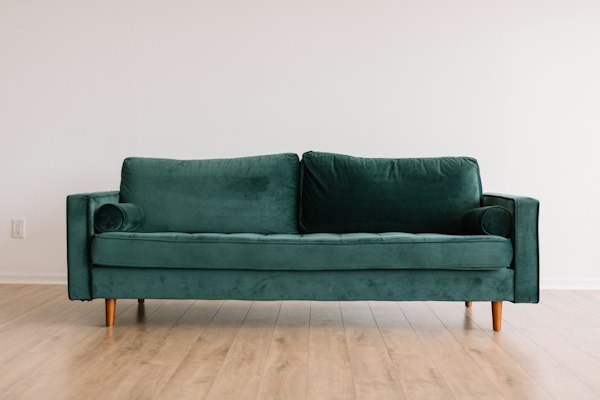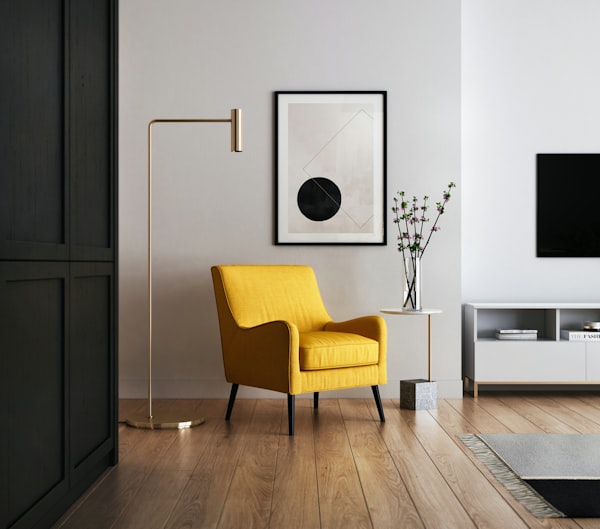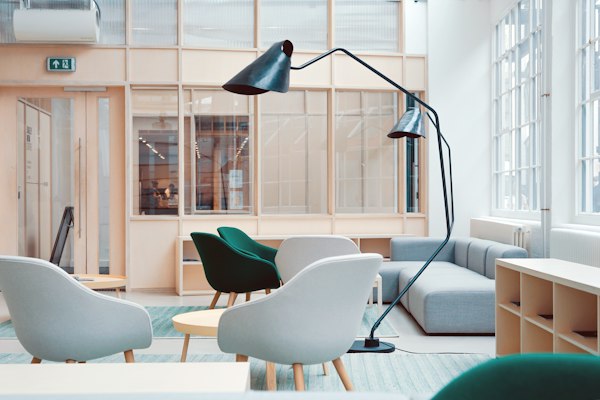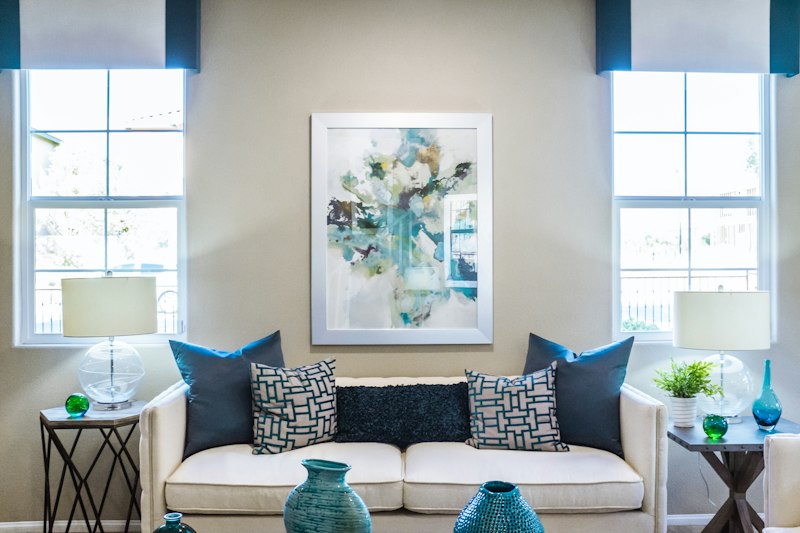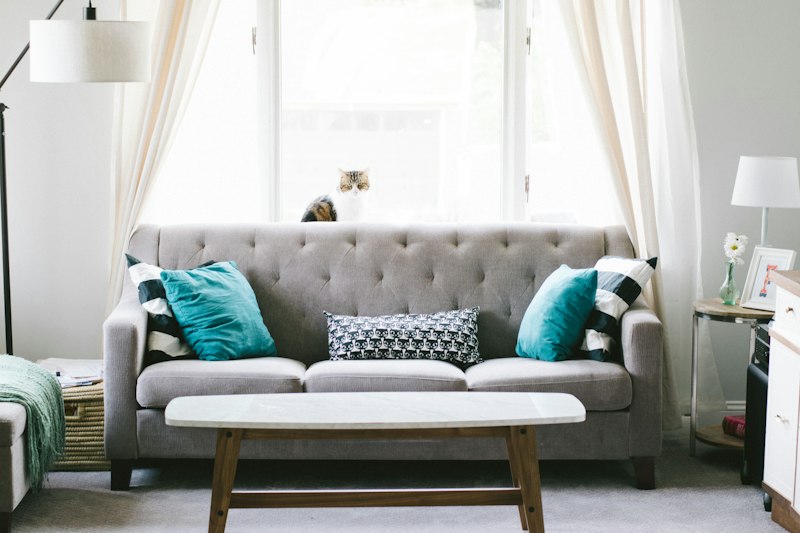
Great comfort doesn't require great space. Compact sofas prove that clever design, the right proportions, and quality construction can deliver a truly satisfying seating experience in even the smallest of rooms.
The design challenge of creating exceptional comfort within strict dimensional constraints has produced some of the most innovative and thoughtful sofa designs in furniture history.
Compact sofas — typically defined as pieces measuring between 60 and 80 inches in total width — have undergone a significant transformation in recent years. As urban living has become more prevalent and apartment sizes have decreased, furniture designers have responded with increasingly sophisticated solutions that refuse to compromise on comfort despite their reduced footprint.
The best compact sofas achieve their magic through proportional intelligence — slightly higher backs relative to seat depth, carefully calculated arm heights, and cushion construction specifically optimised for more upright sitting positions. The result is a sofa that feels generous and welcoming despite occupying a fraction of the floor space of larger alternatives.
The compact sofa category encompasses a wide range of styles and formats, each designed to solve different space challenges while delivering genuine comfort.
The definitive compact sofa — typically 52–65 inches wide, seating two comfortably. Loveseats work as standalone pieces in studios, as secondary seating in larger rooms, or paired with their matching full-size counterpart for coordinated living room sets.
Best width: 52–65 inches
Specifically scaled for apartment living, apartment sofas typically measure 70–80 inches wide — offering three-seat capacity in a compact package. They feature shallower seat depths (18–20 inches) compared to standard sofas, making them feel appropriately proportioned in smaller rooms.
Best width: 70–80 inches
For studio apartments and guest rooms, the compact sofa bed performs double duty without overwhelming the space. Modern designs have dramatically improved the sleeping surface quality — look for models with memory foam or sprung mattress inserts rather than thin foam fold-outs.
Best width: 62–75 inches
Choosing a compact sofa is just the beginning. The way you position, accessorise, and complement it transforms a tight space into a genuinely comfortable sanctuary.
The most transformative thing you can do in a small living space is resist the temptation to fill every corner. A compact sofa placed thoughtfully — away from walls by 4–6 inches, angled towards a focal point, and paired with a well-proportioned rug — will feel far more spacious and inviting than the same sofa pushed against every available surface.
Cushions and throws play an outsized role in compact sofa comfort. Since the sofa itself is smaller, accessories become more prominent both visually and functionally. A well-chosen lumbar cushion can compensate for a slightly shallower back depth, while a quality throw adds warmth and texture that signals comfort before you've even sat down.
Even 4–6 inches creates depth and makes the room feel intentionally designed rather than simply filled.
Tall bookshelves and wall-mounted shelving draw the eye upward, making ceilings feel higher and the room more expansive.
Sofas with visible legs allow light to pass underneath, creating visual breathing room that's particularly valuable in compact spaces.
Use a smaller coffee table, slimmer side tables, and appropriately sized cushions — oversized accessories make a compact sofa look miniature.
Understanding standard compact sofa dimensions helps you make confident decisions before anything arrives at your door.
Width: 52–65 in
Depth: 30–34 in
Height: 30–36 in
Seats: 2
Width: 70–80 in
Depth: 32–36 in
Height: 30–36 in
Seats: 3
Width: 84–96 in
Depth: 34–40 in
Height: 32–38 in
Seats: 3–4
Width: 96–120 in
Depth: 36–44 in
Height: 34–40 in
Seats: 4+
Compact sofas typically feature seat depths of 18–22 inches compared to 22–28 inches in standard models. This shallower depth actually improves upright sitting posture for many people — particularly those of shorter stature — while keeping the overall sofa footprint smaller. It's only when lounging fully is a priority that deeper seats become important.
Cream, light grey, or natural linen upholstery visually expands a compact sofa. Dark fabrics, while elegant, can make a small sofa look heavier and the room smaller.
Pair your compact sofa with artwork or shelving scaled to the sofa's width. A piece too large will dwarf the sofa; too small looks oddly disconnected.
A floor plant next to a compact sofa adds organic height and visual interest without consuming floor space — and the natural element warms the entire seating area beautifully.