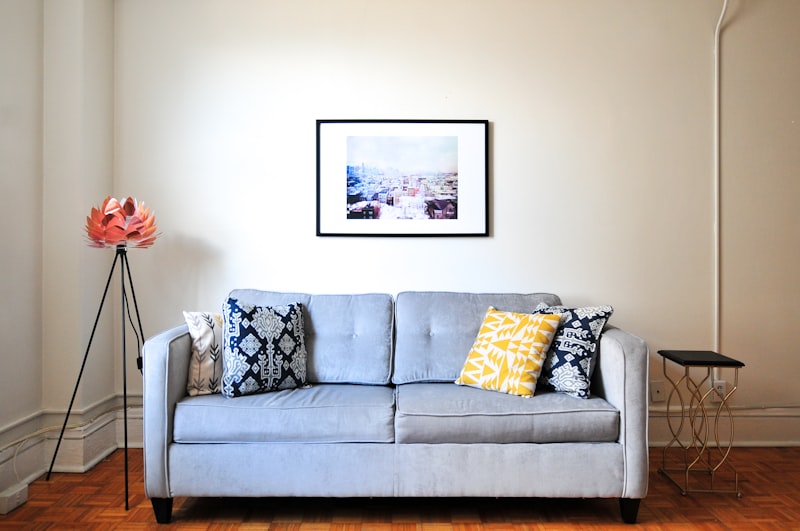
Your sofa is the anchor of your living room. How you arrange everything around it โ furniture, lighting, rugs, and accessories โ determines whether your space feels intentional, comfortable, and beautifully cohesive.
In interior design, every room needs an anchor โ a dominant piece around which everything else is organised. In the living room, this role belongs to the sofa by default.
Understanding your sofa as an anchor rather than simply a piece of furniture changes how you approach the entire room. It means making sofa placement decisions first and building outward from there โ positioning the rug to ground the sofa, placing the coffee table at the right conversational distance, aligning accent chairs to create a natural seating grouping, and orienting lighting to illuminate the space from multiple angles.
This approach produces rooms that feel deliberate and harmonious rather than assembled from individual pieces. When the sofa is positioned with intention, every subsequent decision becomes clearer โ because each new element simply needs to relate intelligently to the anchor that's already established.
The most beautifully designed living rooms share a common characteristic: they feel effortless. That effortlessness is actually the result of careful, principled decision-making โ starting with the sofa's placement and working outward through every layer of the room's design.
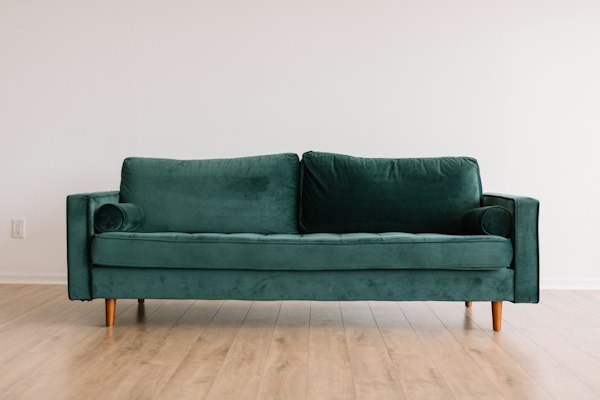
Different room shapes and sizes call for different sofa placement strategies. Understanding which approach works best for your specific space is the foundation of successful living room design.
Position the sofa perpendicular to the room's longest wall, floating it slightly away from the wall surface. This creates a defined seating zone within the larger room while maintaining visual flow along the length. Pair with two accent chairs facing inward to complete the conversation arrangement. A rug anchoring the furniture grouping defines the zone and adds warmth.
Square rooms offer the greatest flexibility for sofa placement. A diagonal placement โ positioning the sofa at 45 degrees to the room's walls โ creates dynamic visual interest and often feels more spacious than parallel alignment. Alternatively, two facing sofas or a sofa with a loveseat opposite work beautifully in square rooms to create a balanced, symmetrical composition.
In open-plan spaces where the living area flows into kitchen or dining zones, the sofa performs an additional function as a spatial divider. Floating the sofa in the middle of the living zone with its back facing the kitchen or dining area clearly delineates each area without requiring walls. A generously sized area rug reinforces this zone definition.
The most fundamental tension in living room design is between maximising comfort and maintaining a sense of spaciousness. Understanding how to navigate this tension intelligently is the key to rooms that feel both generous and liveable.
Larger sofa, deeper cushions, more seating capacity, greater physical comfort for lounging and relaxing.
Compact sofa, raised legs, lighter visual weight, better traffic flow, greater sense of openness.
High-loft back cushions and deep seat fill create maximum tactile comfort and a visually generous appearance.
Firm, tight-back construction minimises visual bulk while maintaining support โ better for visually smaller rooms.
Warm, deep tones create an enveloping, cozy atmosphere that enhances the psychological sense of comfort.
Pale creams, light greys, and natural linens visually recede, making the sofa feel lighter and the room larger.
Low or platform-style legs create a grounded, settled appearance that psychologically communicates security and permanence.
Visible legs allow light to pass beneath the sofa, visually lifting the piece and making the entire room feel more open.
The ideal balance depends entirely on your room's size and your personal priorities. In rooms under 180 square feet, favour space-enhancing choices โ lighter upholstery, raised legs, tight-back construction. In larger rooms or dedicated comfort spaces, you can afford to prioritise comfort features without the room feeling cramped. In average-sized rooms, layer comfort and space strategies: choose a generous sofa in a light tone with raised legs to achieve both simultaneously.
The sofa works best within a complete seating arrangement. Understanding how to complement it with other furniture creates a cohesive, functional, and visually balanced living room.
The most timeless furniture arrangement principle is the conversation triangle โ positioning seating so that all occupants face inward toward a central point and can comfortably make eye contact without straining. The coffee table typically occupies the central point of this arrangement, accessible to all seats within comfortable reaching distance (16โ20 inches from each seat edge).
One or two accent chairs positioned at right angles to the sofa โ rather than directly opposite it โ create a more dynamic and inviting arrangement than the standard sofa-facing-chair configuration. This L-shape seating arrangement feels more natural for conversation, accommodates varied group sizes more flexibly, and creates visual interest through the contrast of different furniture forms.
The coffee table should be approximately two-thirds the length of the sofa โ long enough to be visually proportional without overwhelming the space. Height should sit at or slightly below the seat height of the sofa (typically 16โ18 inches) for comfortable use from a seated position. Leave 16โ20 inches between the table and sofa front for comfortable leg clearance.
At minimum, place one side table at the end of the sofa at arm height (24โ26 inches) โ high enough to hold a drink or lamp without requiring a lean, low enough not to obstruct seated sightlines. In larger arrangements, a side table at each sofa end creates symmetry and practical function for every seated guest.
โ of sofa length, 16โ20 inches away from sofa front edge.
Maintain 30โ36 inches minimum clearance for main walkways.
An area rug serves as the visual foundation of the entire seating arrangement โ grounding the sofa, defining the zone, and adding a crucial layer of warmth and texture.
The most common rug mistake is choosing one that's too small. In most living rooms, a rug should be large enough for at least the front two legs of every piece of seating to rest on it. For a standard sofa arrangement, a 8ร10 foot rug is the minimum comfortable size โ with 9ร12 being preferable in larger rooms.
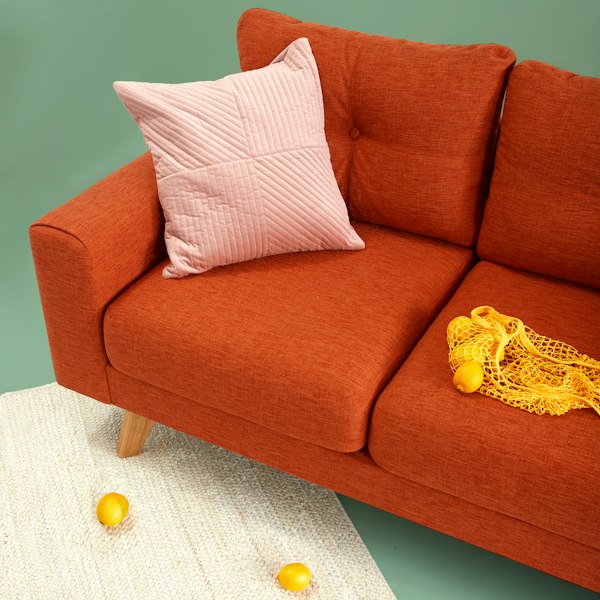
A rug in a warm neutral โ cream, camel, terracotta, sage โ grounds a sofa arrangement without competing with it for visual attention. If the sofa is already a statement piece in a bold colour or texture, choose a simple, tone-on-tone woven rug. If the sofa is neutral, a rug with subtle pattern or texture adds welcome visual interest to the floor plane.
Wool rugs are the gold standard โ naturally resilient, stain-resistant, and beautifully tactile. Natural fibre rugs (jute, sisal, seagrass) add organic warmth and work beautifully under a cozy sofa arrangement. Low-pile performance rugs are the most practical choice for family rooms. High-pile shag rugs add maximum tactile warmth but require more diligent maintenance.
Lighting is the invisible layer of interior design โ the element that transforms a well-arranged room into one that feels genuinely inviting at any time of day.
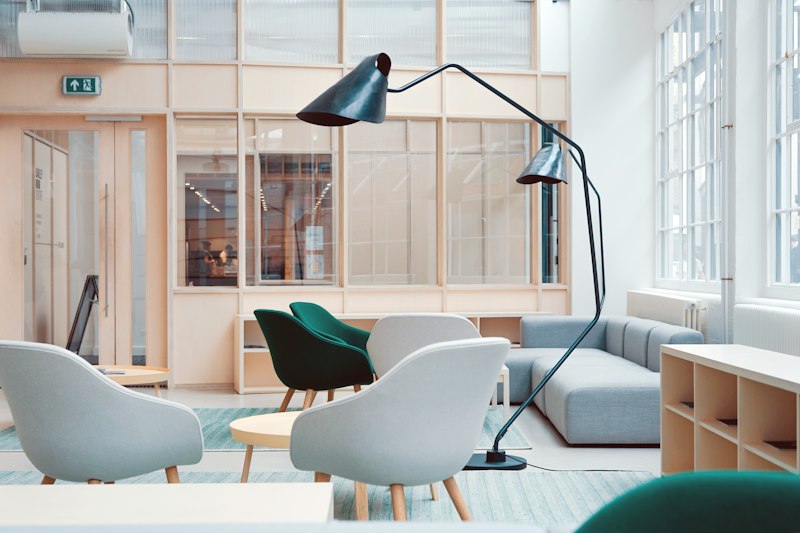
The most comfortable living room lighting uses multiple sources at different heights rather than relying on a single overhead fixture. Overhead lighting alone creates a flat, slightly harsh atmosphere that works against the warmth and intimacy a sofa area should cultivate. The antidote is layered lighting: ambient overhead light for general visibility, floor lamps beside the sofa for reading and atmosphere, and table lamps on side tables for intimate pool-of-light warmth.
Warm white bulbs (2700Kโ3000K colour temperature) are essential for cozy living spaces. The yellow-warm light they produce enhances earthy upholstery tones, makes skin tones look more flattering, and creates the psychological sense of warmth that's central to a genuinely comfortable sofa environment.
Accessories transform a furnished room into a home. The way you layer cushions, throws, plants, and art around your sofa is what gives the space its unique character and personality.
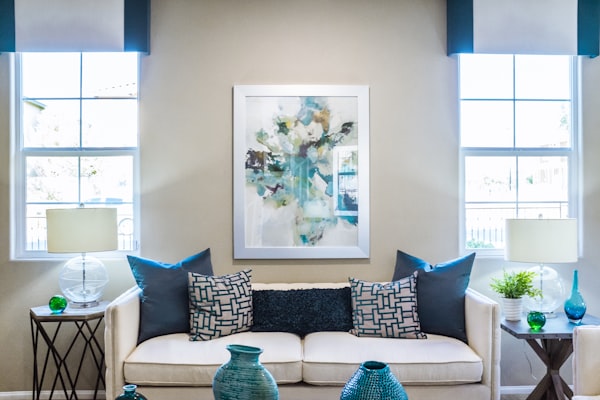
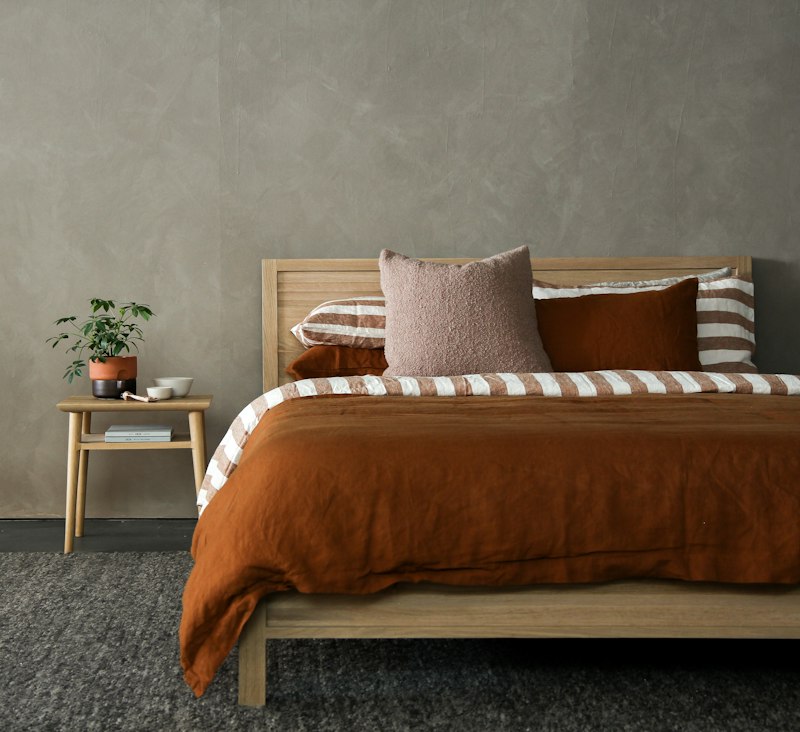
Use an odd number of cushions (3 or 5) for a more natural, relaxed look. Mix at least three different textures โ smooth, textured, and a pattern โ and vary sizes between 18-inch, 20-inch, and 22-inch for depth. Keep the colour palette within three tones for cohesion.
A generously sized throw (50ร70 inches or larger) draped naturally over one arm or across the sofa back signals comfort and invitation. Choose a texture that contrasts with the upholstery โ a chunky knit on a smooth velvet sofa, or a fine wool on a bouclรฉ piece.
A floor plant (fiddle leaf fig, monstera, or olive tree) beside the sofa adds organic height and natural vitality. Trailing plants on shelves above add another layer. Living greenery is one of the most effective tools for making a sofa corner feel genuinely alive and welcoming.
Hang artwork 6โ8 inches above the sofa back, centred horizontally. For a single large piece, width should be 50โ75% of the sofa's total width. For gallery walls, keep the bottom edge of the arrangement consistent at this height and build upward for visual cohesion.